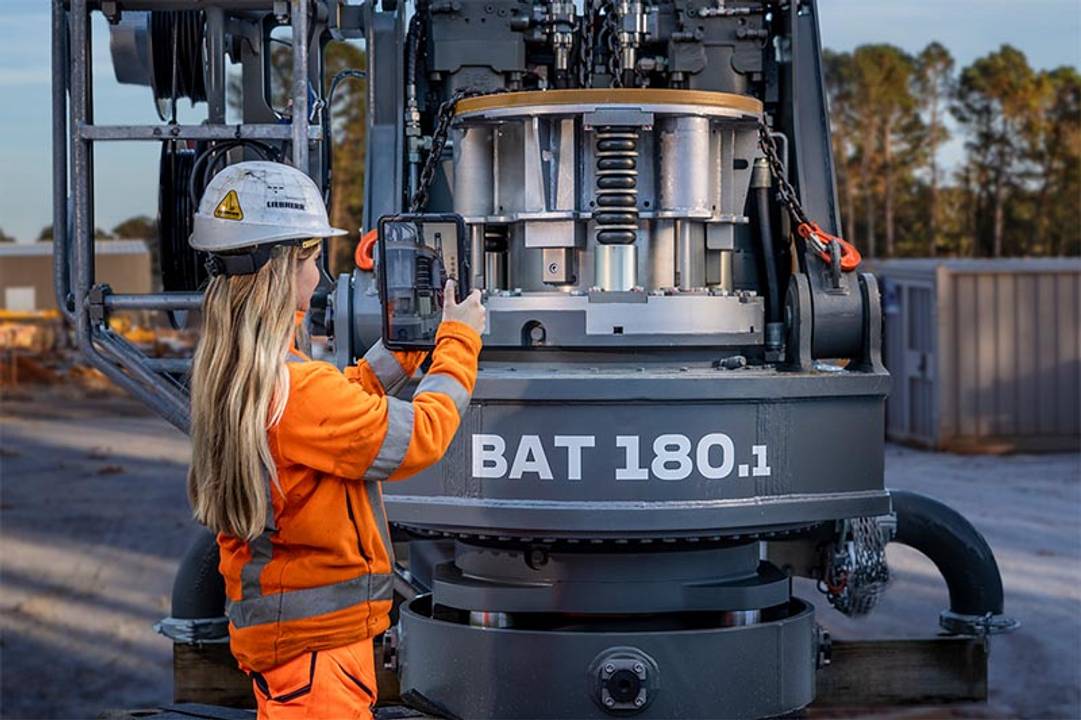
Parts Assistant is a new Liebherr digital application designed to simplify parts identification and maintenance preparation. The company has developed this solution for its deep foundation equipment, duty cycle and crawler cranes (up to 400 t), as well as mobile harbour, ship and offshore cranes.
The application is available globally via the App Store (iOS) and Google Play (Android) and can be used by customers with a valid MyLiebherr business account – free of charge. Developed with direct input from operational users, the app supports all maintenance parts requirements quickly and easily, ensuring rapid and efficient ordering.
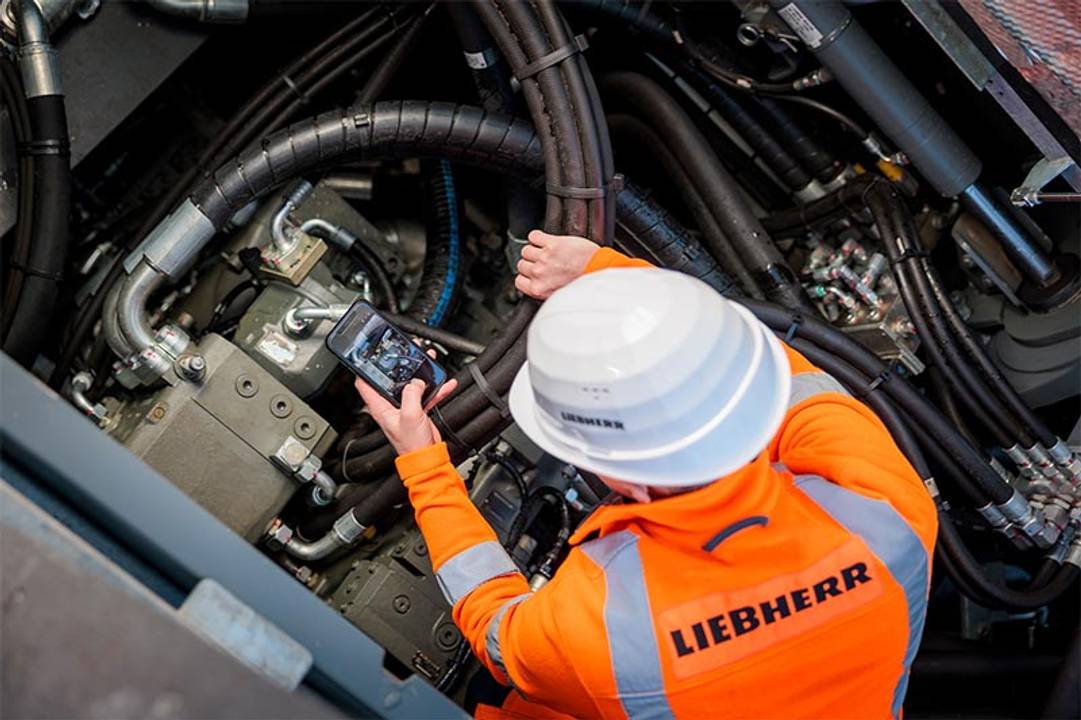
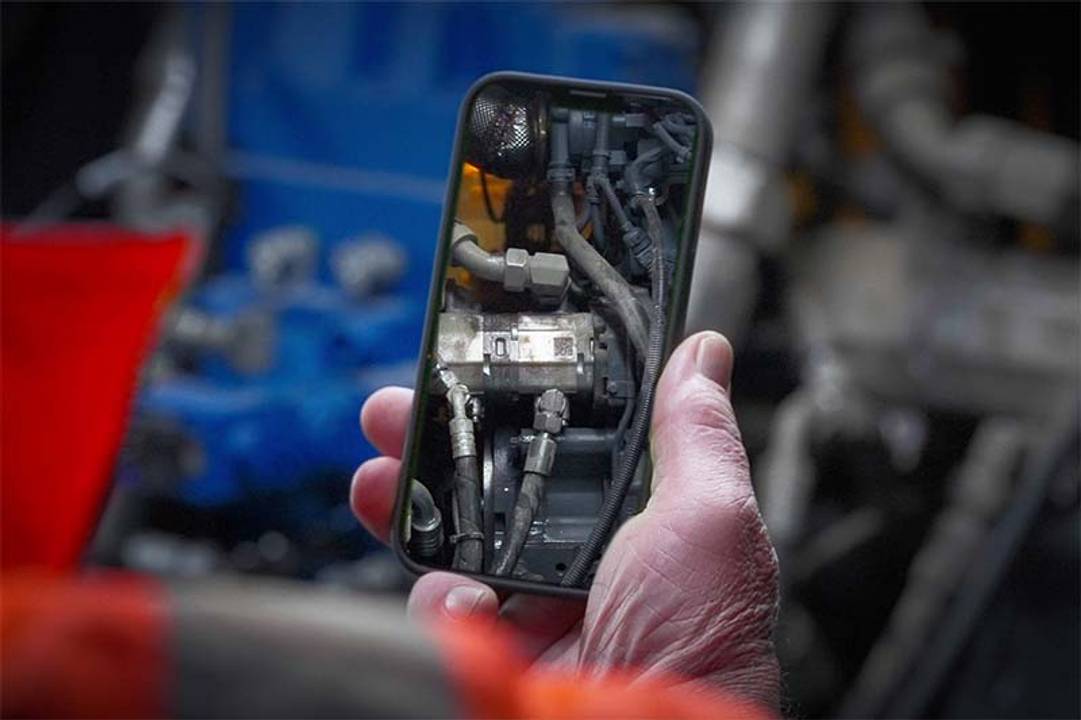
At the core of the app is an AI-based parts identification function. Users can identify components via photo recognition or by text search in more than 100 languages, by scanning a QR code, by entering an item number, or by a combination of all methods. This functionality allows immediate identification even when nameplates become damaged or unreadable over time. Additionally, results can be cross-checked using the official Liebherr parts catalogue, providing greater assurance of the correct parts.
Complementing parts identification
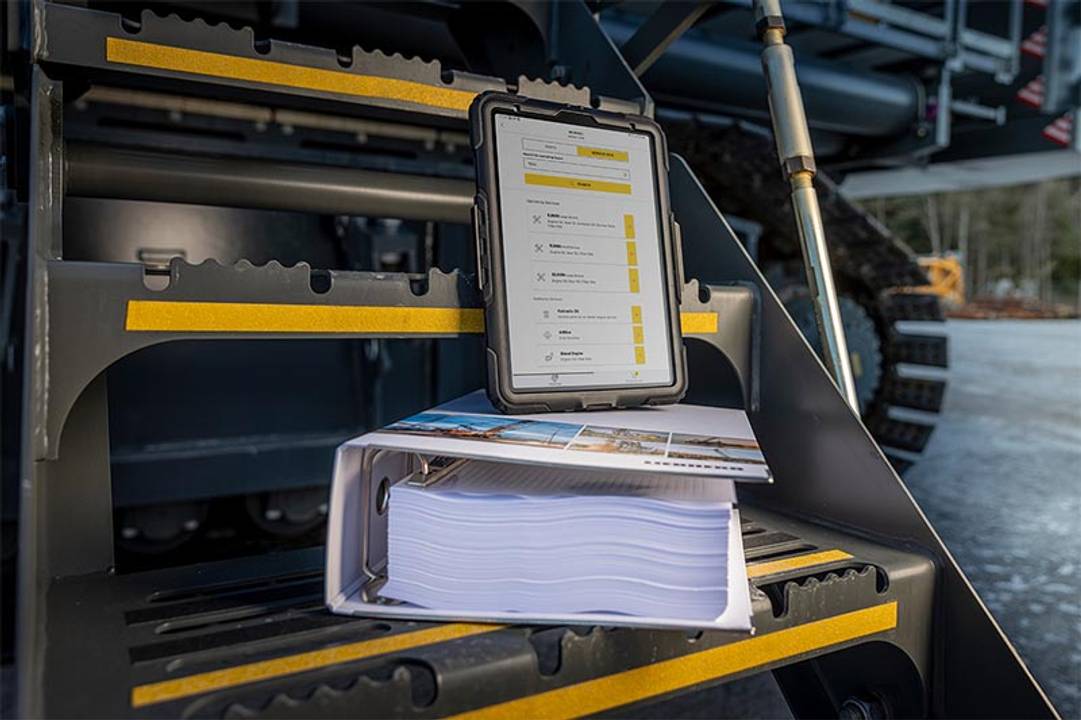
The second main function focuses on timely ordering of maintenance parts. The app helps users by listing the actual operating hours of the machines and the respective service kits for the next regular maintenance interval. By selecting a scheduled maintenance, the app displays a list of required parts, service materials and fluids – all in the appropriate quantities. This list can be adapted based on operational needs and then be placed as an order with a simple click.
“Parts Assistant represents the next level of work simplification for our customers,” said Florian Markert, product manager at Liebherr. “By simplifying and accelerating parts identification directly on the machine, we are helping maintenance teams to focus on the machine maintenance itself rather than the administration.”
Cross-check with professionals
Another feature, expert check, addresses situations where operational certainty is needed. If users are unsure whether the identified component is correct, the app allows them to submit a verification request directly to the responsible Liebherr service partner. This request is processed via a dedicated service ticket, ensuring professional confirmation without interrupting on-site work.
According to Liebherr, the app has already received strong feedback during the preceding trial phase. Users involved in testing reported noticeable time savings, fewer ordering errors and improved transparency when preparing maintenance activities across machine fleets. Based on this response, Liebherr has made the app broadly available free of charge to all its customers.
“We have seen very constructive feedback from customers who participated in the trial phase, and we are pleased to be able to provide this work-simplifying tool to the wider market now,” said Mr Markert. “We are continuously expanding its functionality and scope, based on operational requirements and technological progress.”